Verify Identity Information 3510455346 3511960693 3888728887 3283267241 3286925939 3293342285

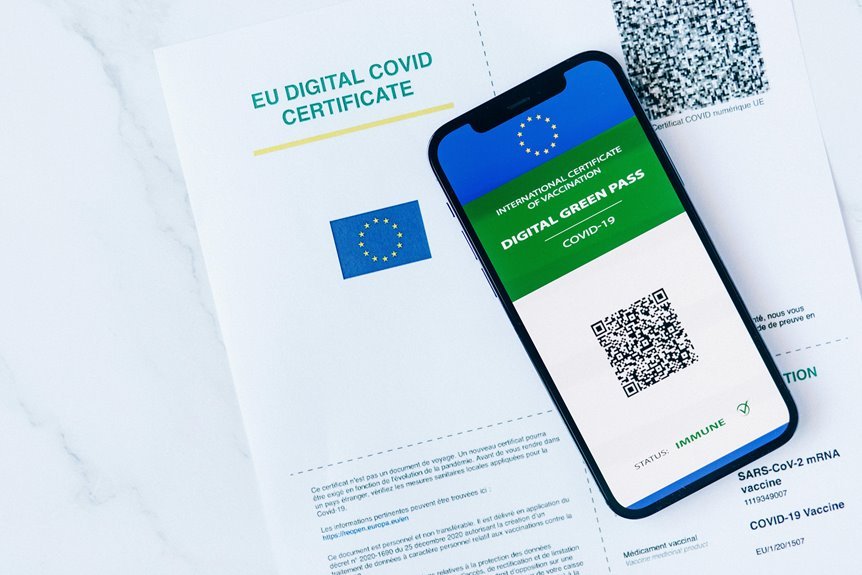
Verifying identity information such as the numbers 3510455346, 3511960693, 3888728887, 3283267241, 3286925939, and 3293342285 is critical for ensuring security. Each number functions as a unique identifier, necessitating precise management. Mismanagement can expose systems to risks. Implementing advanced verification methods may significantly bolster data integrity. However, the landscape of identity verification is fraught with challenges that warrant careful examination. What strategies can effectively address these vulnerabilities?
Importance of Identity Verification
Although identity verification may seem like a mere procedural step, its significance extends far beyond compliance.
Effective verification methods serve as crucial defenses against identity theft, safeguarding personal information. By implementing robust processes, individuals and organizations can ensure authenticity and protect against fraudulent activities.
This proactive approach not only enhances security but also empowers individuals to maintain their freedom and control over their identities.
Understanding Identification Numbers
Identification numbers play a pivotal role in the landscape of identity verification, as they serve as unique identifiers for individuals across various systems.
Different identity types, such as Social Security numbers or driver’s licenses, utilize these identifiers to facilitate verification methods.
Challenges in Identity Verification
Numerous challenges complicate the process of identity verification in today’s digital landscape.
Issues such as inconsistent data accuracy hinder effective fraud detection, leading to increased vulnerability for individuals and organizations alike.
Additionally, the rapid evolution of technology outpaces verification methods, making it difficult to establish trust.
These factors necessitate ongoing improvements in systems to safeguard against identity theft and ensure reliable verification processes.
Best Practices for Ensuring Data Security
The challenges in identity verification underscore the importance of implementing best practices for ensuring data security.
Key strategies include employing robust data encryption techniques to protect sensitive information and establishing secure access protocols that limit data exposure.
Regular audits and employee training further enhance security measures, fostering a culture of vigilance.
Conclusion
In a world where numbers reign supreme, one can only marvel at the irony of trusting a string of digits to safeguard our identities. Who needs intricate security protocols when a simple identifier can magically ward off identity theft? As we continue to juggle these numerical gems, let’s raise a toast to the brave souls navigating the labyrinth of verification—because nothing says security like a few random numbers and a sprinkle of hope! Cheers to modern identity management!